
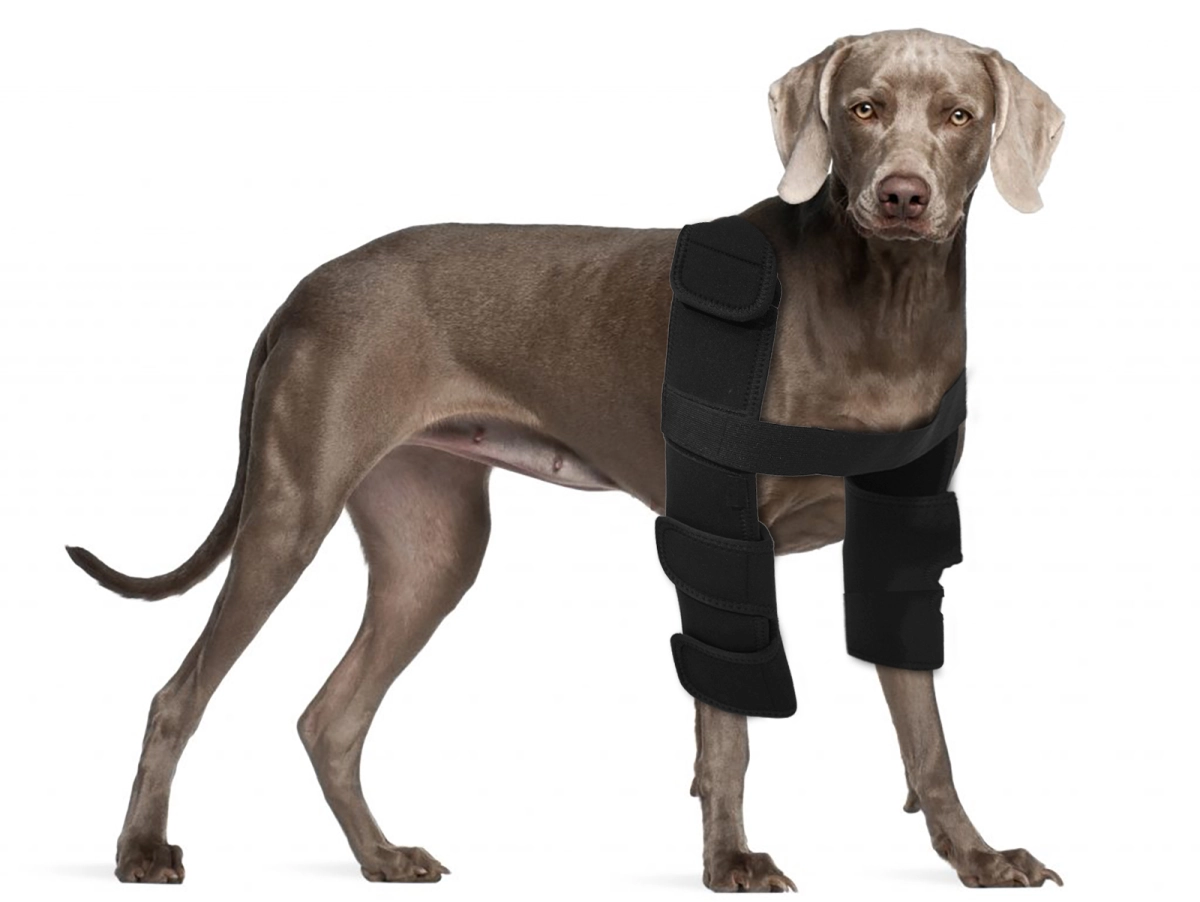
The most common orthopedic problems in dogs often involve issues with their bones, joints, ligaments, and muscles. These problems can vary depending on the dog's age, breed, size, and activity level. Here are some of the most common orthopedic conditions seen in dogs:
-
Hip Dysplasia:
- A genetic condition where the hip joint doesn't fit into the hip socket properly. It can lead to arthritis and pain.
-
Elbow Dysplasia:
- A developmental issue in large-breed dogs where the elbow joint develops abnormally, causing lameness and arthritis.
-
Cruciate Ligament Injury:
- Similar to ACL injuries in humans, this involves the tearing of the cruciate ligament in the knee. It often requires surgical repair.
-
Luxating Patella:
- Common in small breeds, this is where the kneecap dislocates or moves out of its normal position, causing intermittent lameness.
-
Osteoarthritis:
- A degenerative joint disease that causes pain, stiffness, and reduced mobility in dogs, especially older ones.
-
Intervertebral Disc Disease (IVDD):
- A condition where the discs between the vertebrae herniate or bulge, putting pressure on the spinal cord and nerves. It is common in breeds like Dachshunds and Bulldogs.
-
Osteochondritis Dissecans (OCD):
- A developmental condition where the cartilage in a joint doesn't form properly, leading to pain and lameness. It typically affects the shoulder, elbow, or knee.
-
Panosteitis:
- Often called "growing pains," this condition causes inflammation in the long bones of young, rapidly growing dogs, leading to lameness.
-
Fractures:
- Broken bones resulting from trauma or accidents. They often require surgical intervention to heal properly.
-
Legg-Calvé-Perthes Disease:
- A condition affecting the hip joint in small-breed puppies where the femoral head degenerates, leading to arthritis and pain.
-
Hypertrophic Osteodystrophy (HOD):
- A disease seen in rapidly growing large-breed puppies, causing painful swelling of the growth plates in the long bones.
-
Hip Luxation:
- A condition where the hip joint is dislocated, often due to trauma, and requires prompt veterinary attention.
These conditions often present with symptoms like lameness, pain, difficulty walking, or reluctance to engage in usual activities. Early diagnosis and appropriate treatment, including medical management, physical therapy, or surgery, are crucial in managing these orthopedic issues and ensuring the dog's quality of life.
Elbow injuries in dogs are relatively common, particularly in large and active breeds. The elbow joint is complex, comprising three bones: the humerus, radius, and ulna. Issues in this joint can lead to significant pain and mobility problems. Here are the main types of elbow injuries and their treatments:
Common Elbow Injuries in Dogs
-
Elbow Dysplasia:
- Description: A developmental condition where the elbow joint does not form properly. It includes several related conditions such as fragmented coronoid process (FCP), osteochondritis dissecans (OCD), and ununited anconeal process (UAP).
- Symptoms: Lameness, pain, stiffness, reluctance to exercise, and a decreased range of motion.
- Treatment:
- Conservative Management: Weight management, anti-inflammatory medications, joint supplements (like glucosamine and chondroitin), and physical therapy.
- Surgical Options: Arthroscopy to remove bone fragments, corrective osteotomy, or joint replacement in severe cases.
-
Fractures:
- Description: Breaks or cracks in any of the bones forming the elbow joint, often due to trauma.
- Symptoms: Acute pain, swelling, inability to bear weight on the affected limb, and visible deformity.
- Treatment:
- Immobilization: Casting or splinting for minor fractures.
- Surgery: Internal fixation with plates, screws, or pins to stabilize the bones for more severe fractures.
-
Ligament Injuries:
- Description: Tears or sprains in the ligaments around the elbow joint.
- Symptoms: Pain, swelling, lameness, and instability in the joint.
- Treatment:
- Conservative Management: Rest, anti-inflammatory medications, and physical therapy.
- Surgery: Ligament repair or reconstruction for severe tears.
-
Arthritis:
- Description: Degenerative joint disease that can result from previous injuries or chronic elbow dysplasia.
- Symptoms: Chronic pain, stiffness, decreased range of motion, and lameness.
- Treatment:
- Medical Management: Pain relief with NSAIDs, joint supplements, and disease-modifying osteoarthritis drugs (DMOADs).
- Physical Therapy: Low-impact exercise, hydrotherapy, and laser therapy.
- Surgical Options: In severe cases, procedures like arthroscopy or even elbow replacement may be considered.
Diagnostic Methods
- Physical Examination: Assessing the dog's gait, range of motion, and response to manipulation of the elbow joint.
- Imaging: X-rays, CT scans, or MRI to visualize the joint structure and identify abnormalities.
- Arthroscopy: A minimally invasive procedure to look inside the joint and possibly treat certain conditions.
Preventive Measures
- Weight Management: Keeping your dog at a healthy weight to reduce stress on the joints.
- Exercise: Regular, low-impact exercise to maintain joint health and muscle strength.
- Nutrition: Providing a balanced diet with joint-supporting nutrients like omega-3 fatty acids, glucosamine, and chondroitin.
- Regular Check-Ups: Early detection and management of joint issues through routine veterinary visits.
Prompt diagnosis and treatment are crucial for managing elbow injuries in dogs. If you suspect your dog has an elbow injury, it's important to seek veterinary care as soon as possible to ensure the best possible outcome.Our Personalized dog elbow protector provide supporting and protection. Also prevent licking and cover the wound. bulk dog wrist wrap addressing carpal hyperextension.Wholesale canine ankle brace provide tailored support and comfort with our custom dog hock brace solutions, crafted to meet your canine's unique needs.
0 Comments