
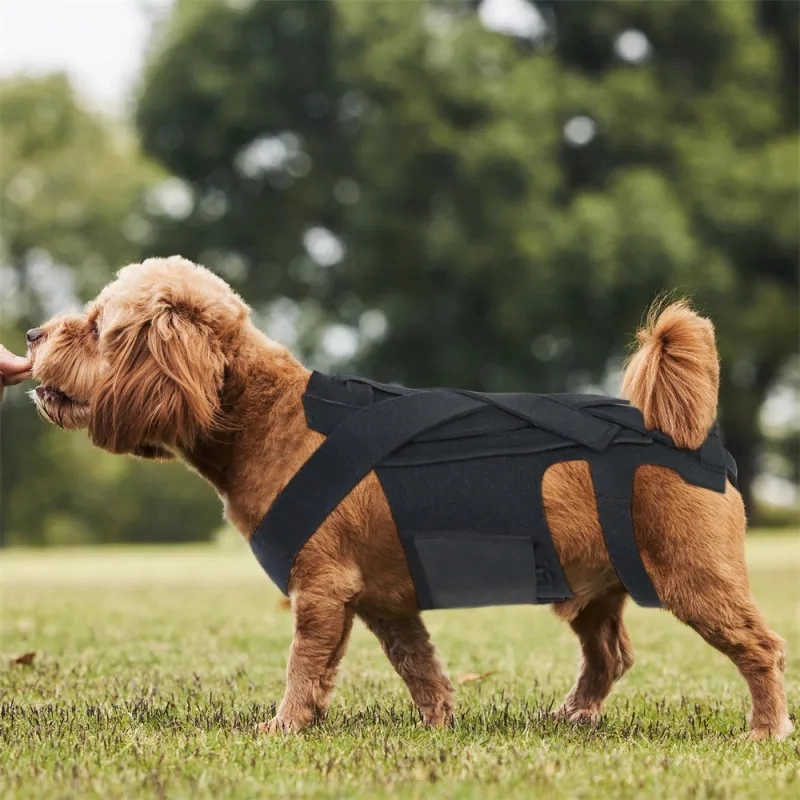
Ligament injuries in dogs involve damage to the fibrous connective tissues that link bones together within joints. These injuries can vary from mild sprains to complete tears, significantly impacting a dog's mobility and causing pain. Here’s an in-depth look at ligament injuries in dogs:
Types of Ligament Injuries
-
Sprains
- Description: Overstretching or partial tearing of the ligaments.
- Symptoms: Mild to moderate pain, swelling, and temporary lameness.
-
Partial Tears
- Description: Incomplete tears of the ligament fibers.
- Symptoms: Moderate pain, swelling, and persistent lameness. Dogs may still bear weight but with noticeable discomfort.
-
Complete Tears (Ruptures)
- Description: Full-thickness tears where the ligament is completely severed.
- Symptoms: Severe pain, significant swelling, inability to bear weight, and joint instability.
Common Ligament Injuries in Dogs
-
Cranial Cruciate Ligament (CCL) Injury
- Description: Equivalent to the ACL in humans, it’s the most common ligament injury in dogs, particularly in the knee (stifle) joint.
- Causes: Trauma, sudden twisting movements, or gradual degeneration.
- Symptoms: Sudden lameness, pain, swelling, and instability in the knee.
-
Medial Collateral Ligament (MCL) Injury
- Description: Affects the ligament on the inside of the knee joint.
- Causes: Trauma or abnormal twisting of the joint.
- Symptoms: Pain, swelling, and instability on the inner side of the knee.
-
Lateral Collateral Ligament (LCL) Injury
- Description: Affects the ligament on the outside of the knee joint.
- Causes: Trauma or sudden lateral movements.
- Symptoms: Pain, swelling, and instability on the outer side of the knee.
-
Carpal Hyperextension Injury
- Description: Involves overstretching of the ligaments in the wrist (carpus), often seen in active or working dogs.
- Causes: Trauma or repetitive strain.
- Symptoms: Pain, swelling, and abnormal positioning of the paw.
Diagnosis
- Physical Examination: The veterinarian will assess the dog’s gait, range of motion, and response to joint manipulation.
- Imaging: X-rays, MRI, or CT scans may be used to confirm the diagnosis and assess the extent of the injury.
- Arthroscopy: In some cases, a minimally invasive procedure to visualize and treat the joint may be performed.
Treatment
-
Conservative Management
- Rest: Limiting the dog’s activity to prevent further damage.
- Pain Relief: NSAIDs or other pain medications prescribed by the vet.
- Physical Therapy: Exercises to strengthen surrounding muscles and improve joint stability.
- Supportive Devices: Braces or wraps to support the injured joint.
-
Surgical Intervention
- Ligament Repair or Reconstruction: Surgical techniques to repair or replace the damaged ligament, often used for CCL injuries.
- Joint Stabilization Procedures: Methods such as extracapsular repair, tibial plateau leveling osteotomy (TPLO), or tibial tuberosity advancement (TTA) for knee injuries.
- Post-Surgical Rehabilitation: Physical therapy and controlled exercise to aid recovery and restore function.
Prevention
- Weight Management: Keeping your dog at a healthy weight to reduce stress on the joints.
- Regular Exercise: Maintaining a consistent, moderate exercise routine to strengthen muscles and improve joint health.
- Avoiding High-Risk Activities: Limiting activities that involve sudden twists, jumps, or excessive strain on the joints, especially in predisposed breeds.
Long-Term Care
- Ongoing Physical Therapy: Continued exercises and activities to maintain joint health and prevent re-injury.
- Regular Veterinary Check-Ups: Monitoring the dog’s progress and adjusting the treatment plan as needed.
- Nutritional Support: Providing a diet rich in joint-supporting nutrients like glucosamine, chondroitin, and omega-3 fatty acids.
Ligament injuries in dogs require prompt and appropriate management to ensure the best possible outcome and quality of life for your furry friend. If you suspect a ligament injury, consult your veterinarian for a thorough evaluation and tailored treatment plan.Try our custom dog leg brace Wholesale dog wrist braceand can support the legs of dogs and alleviate the pressure on joints.
0 Comments